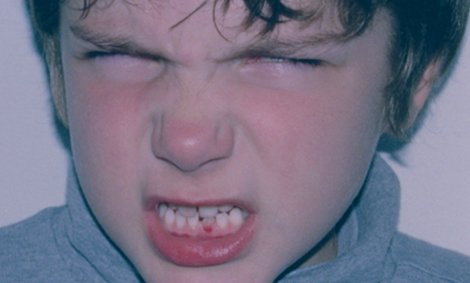
The Dorian Grey Project is inspired by Oscar Wilde’s novel and contemporized by including epigenetics, 3D interactive real-time web capture and animation modeling, Cloud computing if available (or server access allowing interactive form completion/ database capture and software generation of the resultant study and real-time updating of the web capture and animation modeling. Epigenetics can be defined to describe circumstances in which genes express themselves differently even though their underlying DNA is the same. For example cloned calico cats will not look physically identical, despite that their genetic code is the same because the expression of genes is influenced by epigenetics (wise geeks, http://www.wisegeek.com/what-is-epigenetics.htm.). Questions raised include does our society/culture reward or punish good behavior? Does nature? Does physical beauty indicate goodness , better moral character or genes? What is good or bad behavior and can it change according to the circumstance? Are ethical issues black and white or really ...
Full Description
The Dorian Grey Project is inspired by Oscar Wilde’s novel and contemporized by including epigenetics, 3D interactive real-time web capture and animation modeling, Cloud computing if available (or server access allowing interactive form completion/ database capture and software generation of the resultant study and real-time updating of the web capture and animation modeling. Epigenetics can be defined to describe circumstances in which genes express themselves differently even though their underlying DNA is the same. For example cloned calico cats will not look physically identical, despite that their genetic code is the same because the expression of genes is influenced by epigenetics (wise geeks, http://www.wisegeek.com/what-is-epigenetics.htm.). Questions raised include does our society/culture reward or punish good behavior? Does nature? Does physical beauty indicate goodness , better moral character or genes? What is good or bad behavior and can it change according to the circumstance? Are ethical issues black and white or really shades of gray? Do ethics exist at all in man or in nature? Is epigenetics moral or karmic? Do we judge people’s goodness/badness by how they look physically or what happens to them physically over a lifetime? Participants are posited with a series of situations that require them to make ethical decisions. They then answer these questions with either a “yes” or “no” as to how they would act in these situations. Their image and responses are captured via Webcam (in 3D if possible). The participant’s answer(s) are weighed against previously held culturally held beliefs and their photograph/likeness respond accordingly in an epigenetic manner and are updated (in 3D if possible using bump and texture maps) continuously as they answer questions and posted on-line for viewing. Positive responses make the person more attractive (younger, remove signs of aging) while negative responses age and make the person less attractive. The results for all individuals tested are then stored in a database and form the basis of a study on ethics and epigenetics. Does our society reward or punish good behavior? A software program is run to tabulate the responses of the results and generates a statistical bell curve/graph. If the results of a particular question are found to be more positive than negative regardless of their previously held ethical view the epigenetic effect may be reversed.
Work metadata
- Year Created: 2011
- Submitted to ArtBase: Thursday May 5th, 2011
-
Work Credits:
- debraswack, primary creator
Take full advantage of the ArtBase by Becoming a Member